
5 Ways Retailers Use Heat Mapping to Improve Store Layouts
May 18, 2026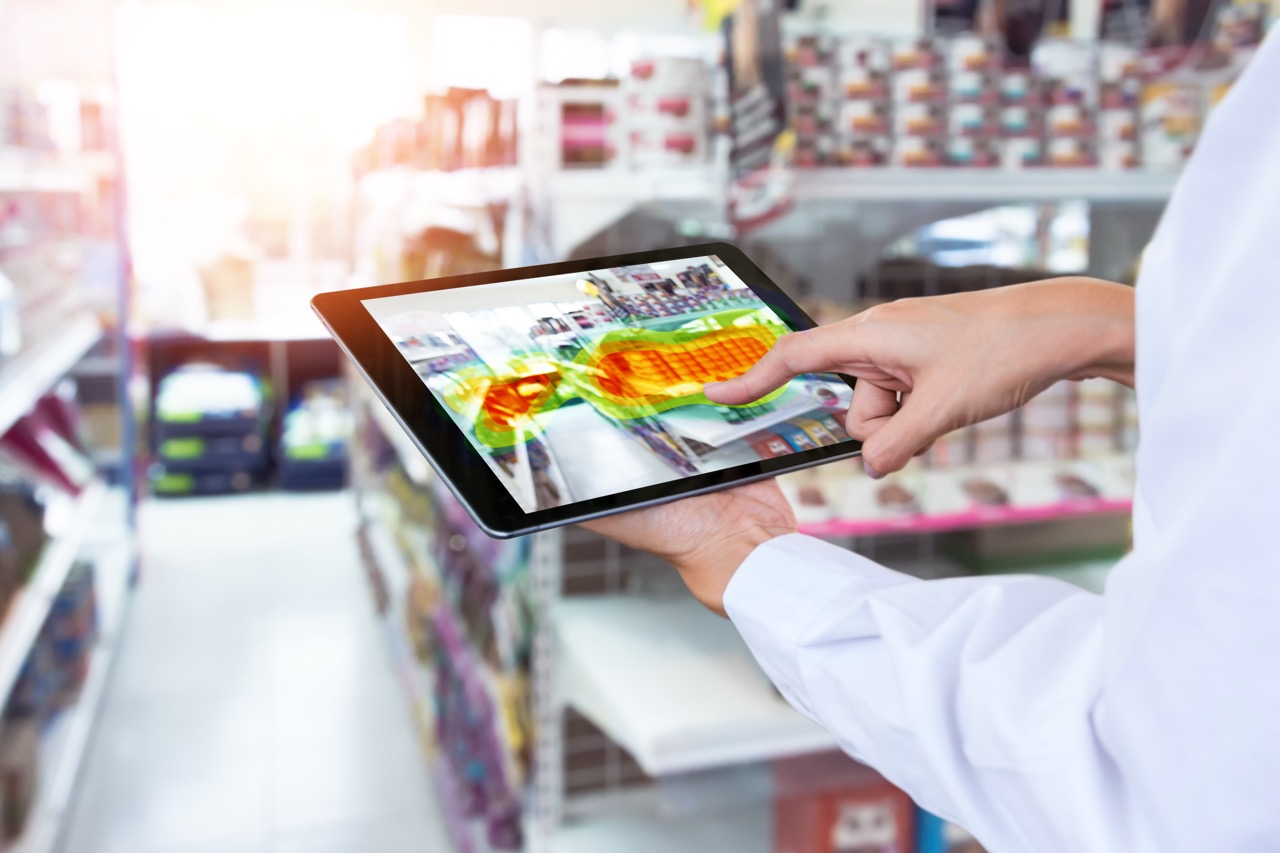
Retail heat mapping is a great way for companies to explore the positives and negatives of their store layout, to figure out how to improve their space and customer experience. By tracking customer foot paths and patterns, dwell time in certain areas, slower areas, and more, it helps determine how a space works best for consumers and your business. With years of experience in retail technology, we’re exploring 5 ways retailers use heat mapping to improve store layouts, so you can learn how the process works to benefit your customers and your business.
How Does Retail Heat Mapping Improve Store Layouts?
Retail heat mapping determines where customers go throughout a store, where they stop most, where congestion occurs, and more. When companies get this service done, they can unlock a lot of insights that they can later use to improve their store layouts and retail floor. All of this information helps the retailer pick up on various consumer patterns so they can rearrange aisles and shelves accordingly, reduce aisle congestion, and speed up the customer experience.
Related Content: What Is Retail Heat Mapping? How It Works and Why Stores Use It
1. Strategically Place Products in High-Traffic Zones
Every retailer has experienced bad product placement at some point. While you can make educated guesses on where items should go, it’s often only a guess. Heat mapping allows real data, so business owners can make decisions according to current customer data rather than assumptions. Using advanced POS technology and other modern retail technology alongside heat mapping services, it makes the entire process easier.
Related Content: Enhanced Efficiency and Customer Experience with Next-Gen POS Systems
For retailers trying to sell new products, overstock inventory, or items that need to be sold faster, heat mapping can pinpoint the best and most strategic locations in high-traffic zones. Whether it’s putting fast-expiring produce front and center in a grocery store or highlighting the newest tech or older models that need to be gone faster, heat mapping helps find the best strategy.
By tracking where consumers naturally gravitate in your store, you can plan out where to put products to gain the most visual attention and increase sales. Without using this process, it’s a guess at best on where products will succeed.
2. Identify Bottlenecks and Reduce Congestion
Many store owners make an educated guess at how to rearrange the retail floor based on other stores they’ve been in, some hire a professional to get it done, and others place as much as they can in the given space. However, the problem with these tactics is that they are often lacking a deeper placement strategy. Even with professional installation, there’s no data yet to determine whether shelves and products are ideally placed. The result is bottlenecks and congestion happening throughout the store.
Retail heat mapping is a great solution to determine a true layout strategy—not a guess, but a real, educated answer as to where everything should be placed. Since the tactic uses real-time tracking to determine patterns and consumer information, it’s the best way to gain insight and make adjustments to your space for better efficiency, less congestion, and fewer bottlenecks.
With these insights in mind, you can place self-checkout kiosks and support stations as needed, ensure the store layout doesn’t enclose too many people in one section, and allow a smoother flow overall.
Related Content: Why Modernizing the Shopping Experience Matters
3. Allocate Staff Where Customers Need Them
Another way retailers use heat mapping to improve store layouts is with allocated staff in necessary locations during peak times. Retail heat mapping allows businesses to figure out when there is a surplus of customers throughout the week to accommodate them accordingly. Noting slow times and busy times ensures the appropriate number of employees are working and in the proper locations where they are needed.
For example, a large retailer might have a lot of staff on during the appropriate times, but they might be in the wrong places throughout the store. If there’s an increase in clothes sales at certain times while there’s an uptick in returns at other times, it’s important to accommodate these and get heat mapping services done to learn about challenges and potential solutions.
Heat mapping identifies both underutilized and busy spaces so retailers can use them to their advantage. With staff specifically allocated to areas in the store that need it, customer service can improve, and it can increase efficiencies overall. The result is faster customer service, reduced wait times, and improved sales.
4. Increase Engagement with Well-Placed Displays
A well-placed display is essential for increasing engagement and leading to a better overall store layout. Heat mapping is great for moving the overall setup and layout of a store, but it works just as well for specific products to increase consumer engagement and lead to higher sales.
By observing where consumers linger throughout your store, you can use that insight to enhance sales for certain products. Meanwhile, retailers can opt to place lower-popularity items in areas where fewer customers naturally go. This method works great for specific promotional items like new items and products that need to sell faster.
For example, a cellphone retailer might choose to display the newest phones and advertisements in the center of the room, where you can’t miss the display. Meanwhile, they might opt to put accessories and more outdated items farther back in the room. Heat mapping determines the exact path consumers take, so you can plan your layout of displays and items accordingly.
5. Eliminate Dead Zones and Redirect Traffic
Lastly, retail heat mapping is an incredible solution for eliminating dead zones throughout your store and redirecting traffic. The process allows you to see where consumers are held up, where they linger around certain products or displays, and where they tend to avoid, so you can counteract it.
Gathering consumer insight through heat mapping allows you to reorganize your layout to be more effective, redirect traffic where it needs to be, and place promotional displays and other additions to highlight products.
Once this step is done, it can lead to a more organized storefront that allows customers to have more space as they shop and showcase products in the appropriate area.
Improve Your Store Layout with Retail Heat Mapping
Exploring the 5 ways retailers use heat mapping to improve store layout, it’s easy to see how the insights improve retail spaces. With retail heat mapping services in your own location, it could improve sales and help you gain better insight into your store.

If you’re ready to get heat mapping services or have been thinking about upgrading your equipment to help your business gain better insight while monitoring typical consumer behaviors, our team at Retail Tech can help you get started. With decades of experience in the retail technology industry and all-in-one POS provider services, we can help you get the advanced knowledge and know-how to improve your retail experience for consumers and achieve greater success.
At Retail Tech Inc. we offer high-quality technology hardware solutions through exceptional standards in service, reliability, and cost effectiveness. As a seamless extension of your IT team, we provide end-to-end support and service every step of the way, from planning to procurement, deployment, maintenance and beyond. Contact our experts to get your personal technology solution today!