
How Retailers Turn Heat Map Data Into Higher Revenue
June 04, 2026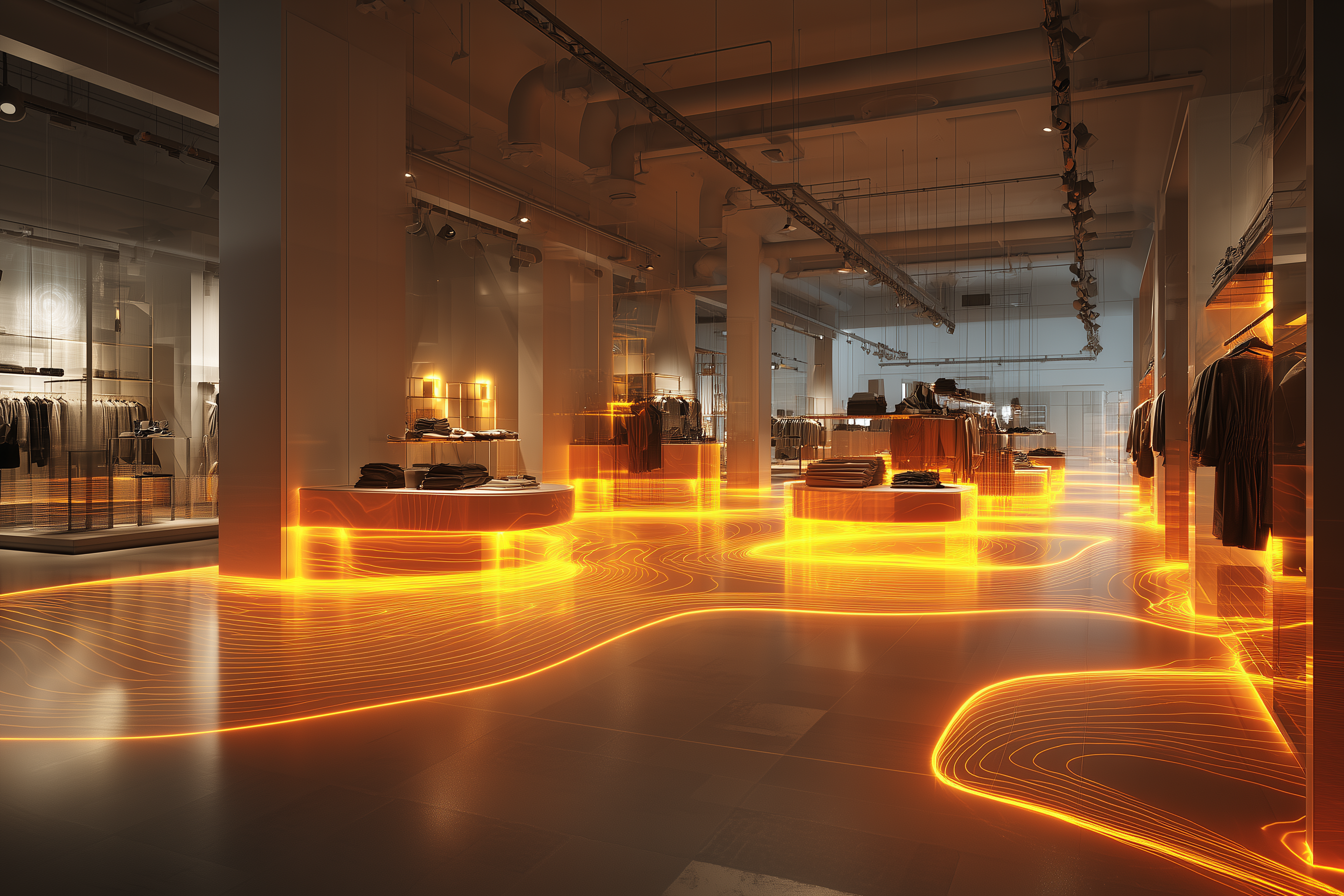
One of the best-kept secrets for retailers is heat mapping. Mapping out where customers are and when as they walk throughout a retail storefront gives greater data collection and consumer insights. In retail and marketing, consumer knowledge quickly turns into more income. Learn how retailers turn heat map data into higher revenue, how heat mapping works, and how to implement the process in your own retail store.
How Does Retail Heat Mapping Work to Increase Revenue?
Heat mapping helps retailers collect data based on customer movement throughout a store to determine ideal product placement, create better flow, reduce dead zones, and more. Using advanced retail technology and data collection methods (Wi-Fi data, sensors, cameras, and tracking systems), the new information is used to make store layout improvements for greater efficiency, more conversions, and a better customer experience. As a result of these improvements, increased revenue often follows.
Related Content: What Is Retail Heat Mapping? How It Works and Why Stores Use It
5 Ways Heat Mapping Increases Revenue for Retailers
Retail heat mapping is a surprisingly easy way for store owners to gain valuable insight into consumers and use that data to improve the overall experience and conversion rates as a result. Here are 5 ways heat mapping increases revenue for retailers.
1.) Optimize Product Placement for Higher Sales
Through heat mapping and data-driven insights, retailers can optimize product placement for higher sales overall. Maximizing visibility of products that need to be sold first or placing more expensive items at the forefront ensures that consumers see them first. However, it’s not as simple as merely placing products as soon as customers walk through the front door.
Data might tell a different story according to particular products, the store’s unique layout, and more. Heat maps help pinpoint high-traffic areas for high-margin, seasonal, or promotional items and help identify where they are seen more effectively. With this information, these items can gain more visibility, resulting in higher conversion rates.
To provide an example of how it works, heat mapping might determine a “cold zone” in your store where you’re currently placing high-return products and show you a “hot zone” to place those products in instead.
2.) Eliminate Dead Zones and Low-Traffic Areas
 Another way to increase revenue through heat mapping is by eliminating dead zones and low-traffic areas. Oftentimes, stores are optimized to utilize the most space, not to be the most efficient for customers. As a result, the layout is often spread out or disjointed, which can reduce sales rather than increase them.
To enhance conversions, it’s important to find dead zones and underused areas that aren’t garnering enough attention or resulting in sales. Reducing dead space in a store allows better floor utilization, ensures no products are hidden in unused areas, and higher conversion rates can be achieved.
An example of this is grocery stores, where there is lots of open space, but most of the focus is on the central aisles. Oftentimes, products left on the outskirts get less attention. Using heat mapping can help detect a better configuration for the store and create a natural path for consumers to follow. More visibility often equates to more sales.
3.) Improve Store Layout to Reduce Traffic Congestion
Improving your store layout to increase efficiency and reduce traffic congestion with heat mapping is essential for enhancing the consumer experience. Fewer hurdles that consumers need to jump over to find a product and complete their shopping equate to happier customers overall. If someone is left zigzagging up and down aisles to find something or is constantly running into bottlenecks when navigating your storefront, a drastic change needs to be made.
Customers who constantly have a poor experience with the layout of your store and deal with slow or congested areas won’t be keen on coming back if there are other, better options available. Heat maps reveal bottlenecks, awkward paths, and crowded areas and fixtures within your store, so you can find a path forward that solves the problem.
To show an example, a gas station only has so much space to fit everything and allow customers to find what they need quickly and efficiently before going on their way. In this situation, speed and ease are essential. Using heat mapping reveals where customers are caught up, how to solve crammed areas, and create a more pleasant customer experience from start to finish.
Related Content: 5 Ways Retailers Use Heat Mapping to Improve Store Layouts
4.) Understand Peak Times to Improve Staffing Allocation
To a certain extent, it’s easy to predict which days of the week are busier than others during different times of the year. However, understanding peak times down to the hour is difficult without the proper data. Using heat mapping helps understand this information better to improve staffing allocation during peak hours, so your company can balance cost efficiency and appropriate staffing.
Heat mapping identifies popular times of the day based on foot traffic, energy consumption, and information from retail technology. Analyzing these various areas creates a better understanding of who your customers are, how they move throughout your store, and when you need to increase or decrease staffing to accommodate. As a result, fewer customers are left waiting and are happier with your service as a whole, encouraging repeat visits in the future.
Here’s a great example of how it works. A sporting goods retailer might consistently be busy in certain areas of the store at particular times, the checkouts get backed up, or a combination of challenges is occurring. Conducting heat mapping services means real consumer data is collected to determine how many customers are in certain locations of the store throughout the day. With that data, the store owner can allocate more shopping assistants or cashiers in those particular areas to reduce bottlenecks, improve consumer experience, and increase sales as a result. Better data equates to smarter staffing and higher customer satisfaction.
5.) Track Product Engagement and Display Effectiveness
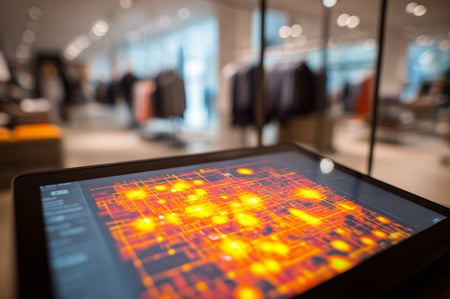
Heat mapping helps increase revenue by tracking product engagement and display effectiveness throughout a retail storefront. A heat map shows exactly which displays gain attention and which ones are ignored. A/B testing can be conducted to test specific aisle endcaps, promotional tables, and signage placement to determine what performs best.
Determining where to place products for higher engagement ultimately leads to more consumers seeing products and creating higher sales. Oftentimes, companies hoping to sell more expensive products or sell items that are outdated or expiring soon can benefit from this practice.
A liquor store, for example, might struggle to sell certain products because there’s an overwhelming number of options, and the displays may not be doing the products justice. Heat mapping helps determine which types of products and brands are performing best alongside the particular areas of the store that stand out to the consumer. With better displays and product engagement, it increases the chances for a product to convert.
Related Content: Why Modernizing the Shopping Experience Matters
Using Heat Map Data and Retail Devices to Gain Revenue
Utilizing heat map data is imperative to getting accurate consumer information and better understanding your retail store to increase revenue. With a combination of heat mapping services alongside newer, more advanced point of sale (POS) and retail technology, it becomes easier to understand consumers and give them what they need.

If you’re interested in trying heat mapping technology to improve your retail floor layout, create a more efficient customer experience, and increase revenue as a result, our team at RTI can help you get started. As an all-in-one POS provider, we can help you find the exact technology needed for your storefront and ensure your devices are up-to-date to make everything work as it should. Ready to increase revenue with heat mapping and better retail technology?
At Retail Tech Inc. we offer high-quality technology hardware solutions through exceptional standards in service, reliability, and cost effectiveness. As a seamless extension of your IT team, we provide end-to-end support and service every step of the way, from planning to procurement, deployment, maintenance and beyond. Contact our experts to get your personal technology solution today!